
Cargo · June 3, 2026
Warehouse: Understanding, Functions, and Its Role in Business
What is a Warehouse, Where to Rent a Warehouse, and Why Warehouse is Important for Your Business
Warehouse is a vital component in the supply chain that determines business success amid fierce competition in Indonesia.
Amid fierce business competition in Indonesia, all businesses must be very fast and efficient in the supply chain (supply chain).
According to data from Indonesia's Coordinating Ministry for Economic Affairs, the smooth operation of the logistics sector is one of the main pillars of national economic growth.
This is the factor that allows market leaders to overtake their competitors.
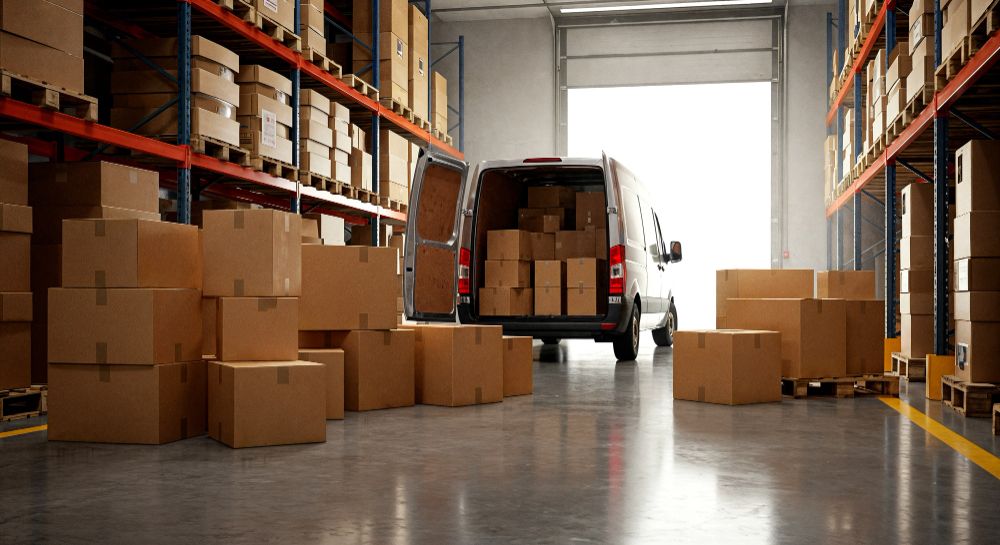
In terms of supply chain efficiency, there is one vital component: warehouse or modern warehouse.
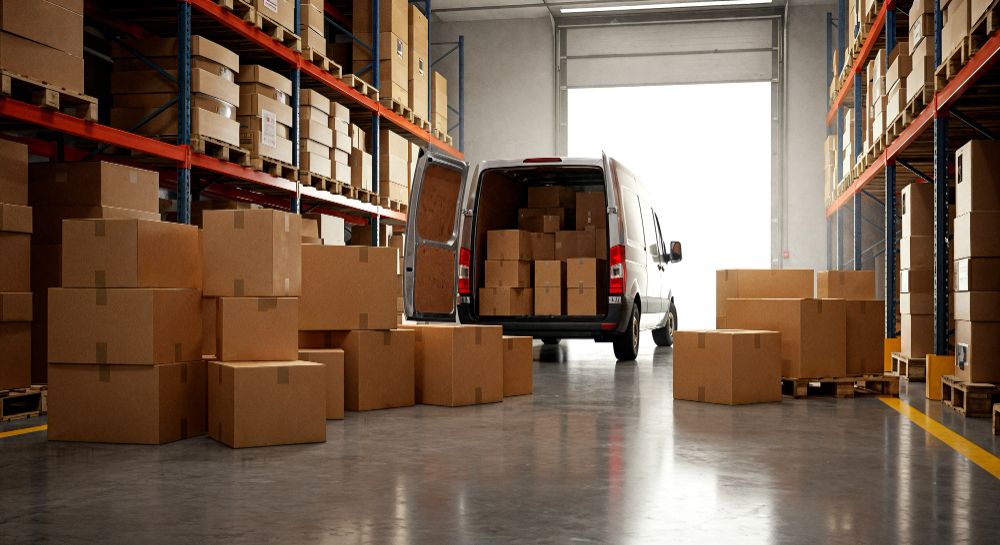
Image source: Freepik
However, is warehouse just a building to stack and store goods? The answer is no longer yes.
A warehouse today is a place to control inventory and logistics shipping that is prepared strategically.
Understanding the definition, function, and role in depth will open the way for you to distribute products throughout the archipelago more effectively and profitably.
Warehouse Definition: Your Logistics Hub
Simply put, a warehouse is a structured facility that functions to receive, sort, and store goods in large quantities before distributing them to the next destination. This destination could be a retail store, factory, or directly to the end consumer.
Unlike conventional passive warehouses, warehouses today are part of a supply chain ecosystem where there is a series of processes ranging from inventory management, tracking, to order fulfillment.
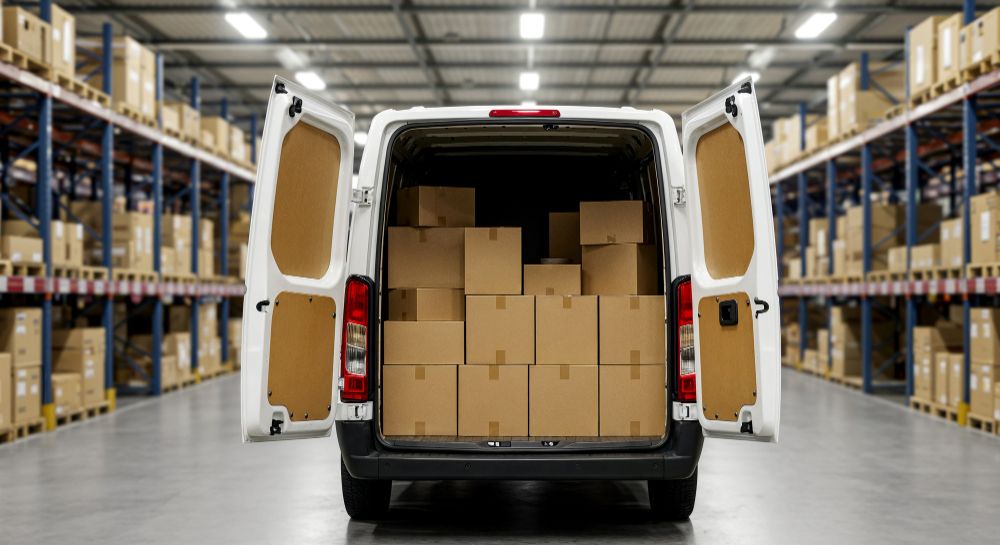
Image source: Freepik
This aims to ensure every product reaches your customers or other branches of your company quickly, accurately, and safely—three pillars held firmly by professional logistics service providers.
Primary Functions of Warehouse in Supply Chain
Every activity within a warehouse is prepared to ensure smooth cargo supply chain flow and, when calculated strategically, can reduce operational costs.
Below are three main functions broken down into specific processes.
1. Receiving and Storage of Goods (Receiving & Storage)
This is the initial process of your goods in the warehouse. The process includes:
- Receiving (Receiving): The team will unload goods, verify quantity and quality according to purchase documents, then record them in the Warehouse Management System (WMS).
- Storage (Put-away & Storage): After being recorded, goods will be placed in the most optimal storage location based on type, size, and access frequency to maximize space and pickup speed.
2. Inventory Management and Order Fulfillment (Inventory & Order Fulfillment)
This is where the active role of warehouse as a demand fulfillment center becomes apparent.
- Order Picking (Order Picking): When an order arrives, the system will guide the team to pick the correct goods from their storage location. Accuracy at this stage is very crucial.
- Sorting & Packing (Sorting & Packing): Goods that have been picked are then sorted based on shipping destination and packed using appropriate materials to protect them during transportation.
3. Consolidation and Distribution (Consolidation & Distribution)
This is a strategic function that provides significant cost efficiency.
- Consolidation: The warehouse becomes a meeting point for goods from various suppliers. These goods are combined into one large shipment to the same destination, making shipping costs significantly cheaper.
- Distribution: Conversely, the warehouse also functions to break down super-large shipments into several smaller shipments for distribution to various locations.
This function is the primary expertise of ABC Express, especially in handling Project Cargo that is complex to all corners of Indonesia.
Technology in Modern Warehouse
The efficiency of modern warehouses is highly dependent on technology. Without the adoption of appropriate technology, the process will run slowly and be prone to errors. Below is technology that has become industry standard:
- Warehouse Management System (WMS): All operations in your warehouse will be managed in one software. WMS is software that manages, monitors, and optimizes all warehouse activities, from goods receipt, inventory management, to shipping. This system provides real-time visibility of inventory.
- Barcode & RFID Scanners: This technology is used for quick and accurate goods identification and tracking. The use of scanners minimizes human error when recording data and speeds up picking and packing processes.
- Automation & Robotics: In large-scale warehouses, the use of conveyor belts, automated guided vehicles (AGV), and picking robots are becoming increasingly common to increase speed and reduce dependence on human labor for repetitive tasks.
Common Challenges in Warehouse Management
Although it appears sophisticated, managing a warehouse has its own challenges that can directly impact business profitability:
- Inventory Accuracy: Discrepancies between system data and actual quantity of goods can cause stockouts or overstock.
- Space Optimization: Utilizing every square meter of warehouse space efficiently is an art. Poor layout will slow down the process and increase operational costs.
- Workforce Management: Managing team productivity, ensuring workplace safety, and reducing human error rates are ongoing challenges.
- Operational Costs: Rental costs, electricity, salaries, and equipment maintenance can become very large if not managed with the right strategy.
These challenges are what drive many companies to switch to third-party logistics (3PL) models to entrust this complexity to the experts.
Types of Warehouses Based on Business Needs
- Distribution Center (Distribution Center): Focus on fast goods movement (high turnover).
- Fulfillment Center (Fulfillment Center): The main mainstay of e-commerce business that serves orders directly to consumers.
- Cross-Docking Warehouse (Cross-Docking): Designed for maximum efficiency with minimal storage processing.
- Specialized Warehouse (Specialized Warehouse): Built for products with specific needs, such as cold storage or warehouse for vehicles and heavy equipment.
Choosing the Right Logistics Partner
As your business grows, the question "Do I need my own warehouse?" will surely arise.
However, the more strategic question is: "What is the most efficient way to manage my logistics?"
Partnering with a trusted logistics partner like ABC Express allows you to gain all the benefits of a modern warehousing system without having to bear the burden of investment and operational risks.
We handle the complexity of logistics, so you can focus on product innovation and customer satisfaction.
Conclusion: Let ABC Express Handle Your Long-Distance Logistics
After understanding the ins and outs of warehousing, managing it yourself can be very complicated, expensive, and divert your focus from core business development.
ABC Express can be a solution for your cargo shipping needs. We manage the entire complex logistics process including vital warehouse functions so your business can connect to all of Indonesia.
Contact ABC Express now to get offers and discuss the best shipping solutions for your industry.
- Email: digital@abcexpress.id