
Cargo · June 3, 2026
Guide to Importing Cargo via Sea Shipping
Learn which documents are required, how to import cargo, how to calculate shipping rates, and tips to reduce your costs.
Cargo shipping via sea route is one of the most effective methods for inter-island shipping, cargo import and export.
In fact, 90% of goods are transported by sea, so it is important to understand the procedures completely and correctly.
What sea shipping documents are required, how to calculate shipping rates, and tips for sea shipping?
In this article, we will discuss all important aspects of sea shipping, including what documents are required, where to find a cargo shipper, how shipping rates are calculated, along with some useful tips for you!
What is Sea Cargo?
Sea cargo is the process of shipping goods from one place to another by ship.
In the early 12th century, ship fleets crossed the world carrying all kinds of goods. Today, sea transportation remains the most cost-effective way to transport goods from point A to point B. Approximately 90% of the world's trade goods are shipped by sea.
Types of Sea Transportation for Cargo Shipping
There are five types of sea transportation commonly used for cargo shipping, including:
- Barge
- Tanker
- Bulk Carriers
- General Cargo Ship
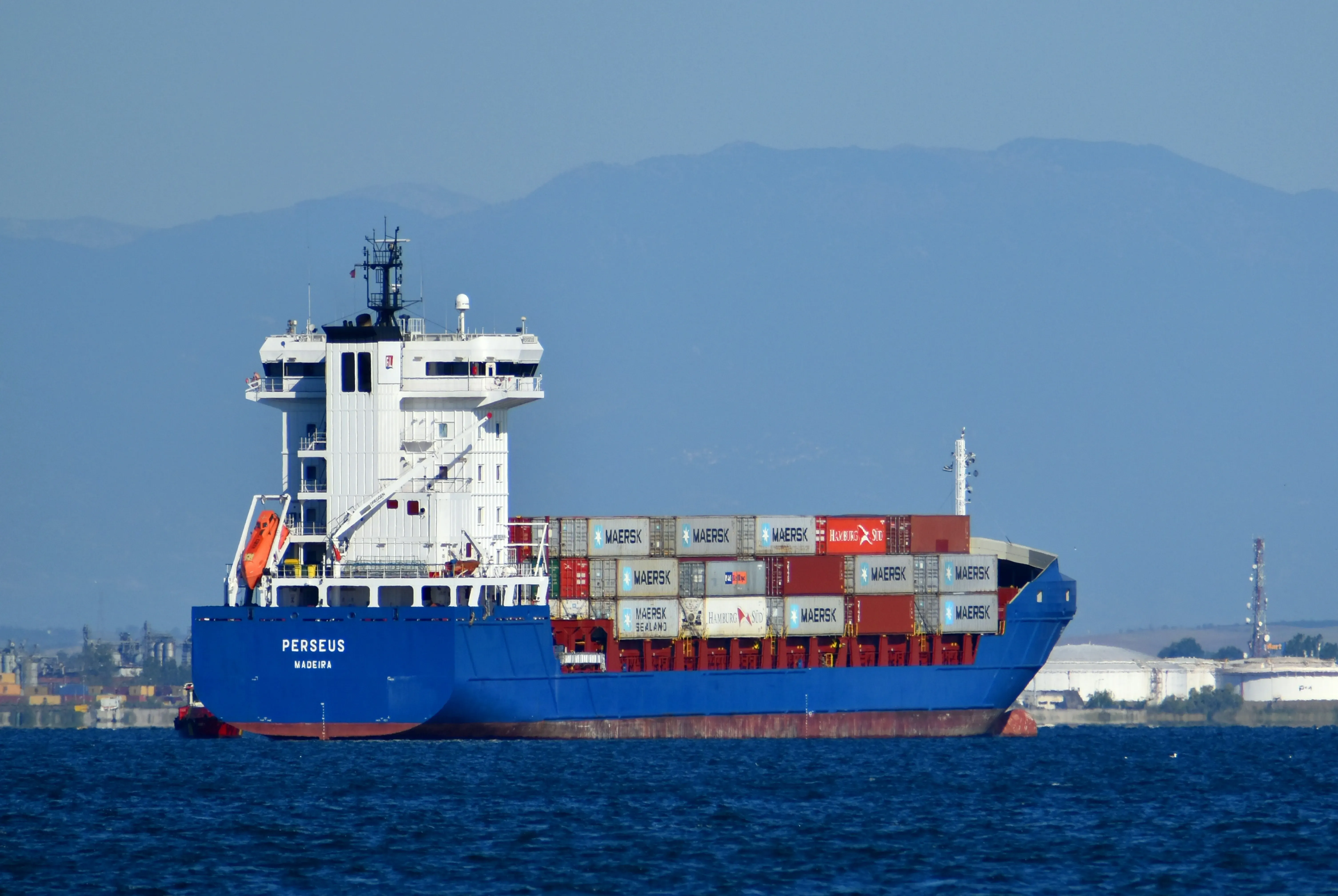
- Container Ship
General cargo and bulk carrier are the two types of fleets most commonly used in sea cargo shipping.
General cargo ship is the most common type of vessel used to transport goods, designed in such a way that it can carry various types of cargo, including bagged cargo, bulk cargo, and containers.
Bulk carriers are often used to transport bulk cargo (such as coal, iron ore, grains, minerals, and others). Unlike general cargo ships that can carry several different types of cargo, bulk carriers typically transport a single type (homogeneous) of cargo.
Container Sizes
Since 1956, when American trucking entrepreneur Malcolm McLean first used stackable metal containers to transport goods, container shipping became more popular than other modes of transportation.
Typically, shipping containers come in four sizes.
- 20 GP (General Purpose 20 feet).
- 40 GP (General Purpose 40 feet).
- 20 HC (High Cube, 1 foot taller than GP but still 20 feet long).
- 40 HC (High Cube, 1 foot taller than GP but still 40 feet long).
Methods of Importing Cargo via Sea Shipping
There are two shipping methods using containers:
Less than Container Load (LCL)
LCL, or "Less than Container Load," means your cargo only fills part of the container and will share space with other shippers. This method can save costs, but the downside is that you may have to wait a bit longer for delivery because the container will not be shipped until it is full.
Full Container Load (FCL)
FCL, or "Full Container Load," means that your shipment will fill most of the container. The container can be packed at the seller's location and taken directly to the shipyard.
How to Import Cargo via Sea Shipping
The easiest way to ship by sea is to use our shipping calculator. Enter the size of your shipment, destination, and select the rate that best suits you.
ABC Express will handle all the details, from pickup at the factory/supplier to delivery to your shipping address. Sea shipping process:
Send goods to shipping partner
Your chosen shipping partner will arrange the collection, storage, and shipment of your goods. You must ensure they have the correct documentation before they move your goods.
Required Standard Documents
Bill of Lading (BL or BoL) – this official document contains the quantity, type, and destination of the goods being transported. It serves double duty as a receipt when the carrier delivers the goods.
Commercial Invoice – this document is issued by the shipper and contains details about the shipment, including the description and value of the goods. It is also used as a customs declaration to move goods across international borders.
Packing List – this is a detailed list of the contents of each package or container. It includes measurements, weight, and other relevant information. The list is attached to the outside box or packed with the contents.
Other product-specific documents – certain products require permits to be transported. Other documents related to your goods, or the transportation of your goods, must be included. For example, if you are transporting hazardous materials, you will need a "hazardous materials" form.
Choose the Right Incoterms
Incoterms are terms agreed upon between you and a foreign party. Incoterms include rules and regulations about payment and shipping. They also outline the risks involved in shipping and selling your goods.
Incoterms was last updated in 2020 with a total of 11 terms. 7 of them apply to any mode of transportation and 4 are specific to sea and inland waterway transportation.
Incoterms applicable to all modes of transportation:
- EXW - Ex Works
- FCA - Free Carrier
- CPT - Carriage Paid To
- CIP - Carriage and Insurance Paid To
- DPU - Delivered at Place Unloaded
- DAP - Delivered at Place
- DDP - Delivered Duty Paid
Incoterms applicable only to sea transportation:
- FAS - Free Alongside Ship
- FOB - Free on Board
- CFR - Cost and Freight
- CIF - Cost, Insurance, and Freight
Cargo Transfer
When transporting your goods from the port of origin to the port of destination, the following steps must be followed:
- Export Transportation
- Origin Handling
- Sea Transportation
- Destination Handling
- Import Transportation
Your Incoterm will determine who is responsible for these arrangements. Let's look at these steps in more detail.
1. Export Transportation
Moving goods from the shipper to the shipping partner's origin warehouse is called export transportation. Export transportation can take anywhere from a few hours to several weeks, depending on the distance and available transportation.
2. Origin Handling
This involves transporting goods from the origin warehouse to the port. Here, cargo is unloaded from trucks or trains and placed in a holding area for inspection. The shipment is stored until the vessel arrives at the port and is ready to be loaded.
3. Sea Transportation
Sea transportation is carried out by shipping lines. Note that with LCL, you cannot determine what other goods will be transported with your cargo.
4. Destination Handling
Destination handling consists of several activities. First, relevant documents are received. The container is then picked up from the port and transported to the destination warehouse. At this point, the cargo is unloaded and inspected. The shipping partner is always responsible for destination handling.
5. Import Transportation
This involves moving goods from the import warehouse to the final destination, either by truck or train. Alternatively, you can pick up the shipment yourself. Your Incoterm will determine whether you or your shipping partner arranges transportation for your goods.
How to Calculate Sea Import Shipping Rates
While you can easily check your rates using the ABC Express shipping calculator, it's better to understand how these are calculated.
FCL vs LCL
You must choose whether you will use a full container load or a less than container load. It can sometimes be confusing when trying to choose between the two. These simple points will make the decision easier for you:
- FCL is typically faster than LCL because LCL must wait until the container is full before transportation begins. This means that you can complete your purchase and arrange sea shipping, but your goods may remain stored at the origin port for weeks, or even months, before the container is full enough to ship.
- LCL carries an increased risk of cargo damage compared to FCL. With FCL, only your goods are inside the container, whereas with LCL, the container may be packed and repacked several times before it is full enough to ship.
- You may be surprised to find that sometimes you get better value for money when choosing FCL, even if your container is not full. However, to be sure, always check the rates for both.
Origin and Destination Ports
Terminal handling costs (THC) must be paid at the origin and destination ports. These costs include:
- Port security – this is a storage fee to ensure the security of your goods if stored in a secure area at the port. There is much movement in and out of the holding area, with trucks loading and unloading cargo.
- Sealing fees – containers must be properly sealed once full to prevent damage and theft.
- Verified Gross Mass (VGM) filing – after the carrier weighs the container, that figure will be matched against the weight you declared. If your declared weight does not match the weight at the port, it may cause delays and additional fees.
- Customs clearance – different countries have different customs rules. They may charge different fees or have different prohibitions, so you need to be aware. The Incoterm you choose will determine who is responsible for arranging customs clearance. It is much easier to hand it over to your shipping partner.
Sea Cargo vs. Air Cargo
This may be your first time importing, and you're not sure whether to use air transportation or sea transportation. Here is a list of the advantages and disadvantages of sea transportation compared to air transportation.
Advantages of Sea Transportation
Lower per-unit costs – the per-unit cost of bulk transportation is lower compared to air transportation. This means sea transportation is suitable for large-sized goods.
Fewer restrictions – there are fewer restrictions with sea transportation, making it easier to arrange cargo shipping.
More environmentally friendly – sea shipping is more environmentally friendly than air shipping. It produces fewer carbon emissions, which damage our atmosphere.
Disadvantages of Sea Transportation
Longer transit time – sea transportation takes longer than air transportation. Sea transportation is not the right choice if you are in a hurry for your goods. Arrival time is also less predictable compared to air transportation.
Higher risk of damage – sea transportation carries a greater risk of cargo damage than air transportation. Air transportation is a better choice when transporting very fragile items, especially if they are not large items.
Higher warehousing costs – storing your goods is more expensive at a shipping yard than at an airport. You need to consider this.
If you have difficulty deciding which option is better for you, we are ready to help.
Cargo Shipping Solutions
ABC Express helps you business people face challenges in Mid Mile Cargo shipping:
1. Offers shipping services with FTL (Full Truck Load) or uses one exclusive truck only for your business shipment, so it can arrive faster.
2. Availability of many vehicle options from small to large units, according to retail business needs.
3. Real-time tracking process during cargo shipment.
4. Shipping insurance protection.
The complete Mid Mile shipping solutions above can make your retail business shipping more efficient and easy.
For last mile delivery, there are also best solutions offered such as cash collection services, routing management system, and others. Curious about all these services? Immediately consult and entrust your shipping here!